


Have you ever wondered why a particular website ranks on top of SERPs while searching for a product or service, or anything for that matter? Suppose, you are looking for a cute little dress, so you write that magical keyword “mini dress online” on the search bar and hit the enter button. While you may not have a particular e-commerce site in mind, you will notice certain websites, take Myntra for example, come on top. Why Myntra? Why not Ajio or Amazon? Well, the answer lies in on-page SEO.
On-page SEO is the process of improving your own website and content so that it appears higher in search results and draws in more relevant visitors. As implied by the name, on-page SEO takes into account text, pictures, and even how users interact with your website as a whole.
If you want to improve your search engine optimization (SEO), but aren't sure where to begin, read on. You may enhance your performance on search engine results pages (SERPs) by using this on-page SEO checklist!
The Complete On-Page SEO Checklist
- Page Titles and H1 Tags
- SEO-friendly URLs
- Meta description
- Keyword placements
- A good user experience (UX)
- Internal Link
- Image optimizations
- Proper schema markup
- Page loading speed
- Mobile Responsiveness
Let's discuss them one by one
1. Page Titles and H1 Tags: The title is one of the most important on-page SEO variables. One of the things that web crawlers look at on your site is your title tags.
Make your titles distinctive and captivating. Additionally, it must be descriptive and sum up the main points of your website. Be aware that title tags must contain the main term you've chosen for the page.
Don't forget to include your title in an H1 title tag, which informs search engines that the text you've included, is the page's title and a crucial part of your content.
2. SEO-friendly URL: Each page on your website has its own Address. URL should contain a maximum of 5 words and have keywords to ensure consistency when users read or browse through your content. It should not be long. Using special characters in your URL should be avoided.
3. Meta Description: Meta description is the text that best describes your page’s content on the SERP. It should provide some insight into what to expect from the content. You have to be descriptive when writing your meta descriptions, however, keep in mind the 928-pixel width restriction.
4. Keyword placements: The optimal place for your keywords to appear on your page is in the title, URL, meta descriptions, subheadings (if applicable), and the first 100 words of your content. Placing your keywords on those crucial on-page aspects will assist Google in readily understanding what your page is all about.
5. A good user experience (UX): If you want a user to have a good user experience, then the following factors should be considered
- Always ensure all of your links are functional
- Improving the speed of sithente
- Using a responsive design
- Updated and engaging content creation
6. Internal Links: Increase dwell time on your website by including a number of internal links on each page. Links are another tool that crawlers employ to move between pages and find new websites. Internal links on your pages are recommended because of this.
7. Image optimization: Use compressed, high-quality images that you upload to your website. For a faster website load time, properly resize your image to fit the intended display. Also, provide image alt tags.
8. Schema markup: Adding a Schema markup will help increase your page’s CTR. It also helps in organizing the structure of your data to help search engines read your page and rank it in the SERPs.
9. Page loading speed: No one likes slow websites. So always make sure to optimise your page speed. The faster your page will load, the higher your page will rank in the SERPs.
You can use Google PageSpeed Insights or GTmetrix to check your site’s loading speed and to look for any other factors that affect your website’s loading speed.
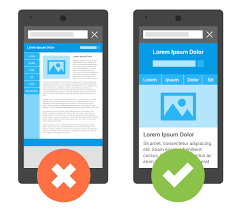
10. Mobile Responsiveness: Optimizing your site for mobile is a necessity. Additionally, a large portion of search engine users utilize mobile devices, thus optimizing your website for smartphones and tablets may and will increase website traffic and position in SERPs.

If your website has a responsive design, then it can easily adapt its layout based on the user’s device for browsing.
Conclusion: On-page SEO is important! You can definitely improve your organic search engine results by developing your web pages with these factors in mind. Knowing the SEO tactics and applying them online is a challenge that is best left to the experts. Contact Appiness Interactive, a trusted SEO company in Bangalore, to get in touch with our SEO executives. Our SEO experts will understand your goals and build a plan accordingly to deliver your requirements.